22 Sep 2026
Bonus Progression Patterns in Baccarat Markets Worldwide
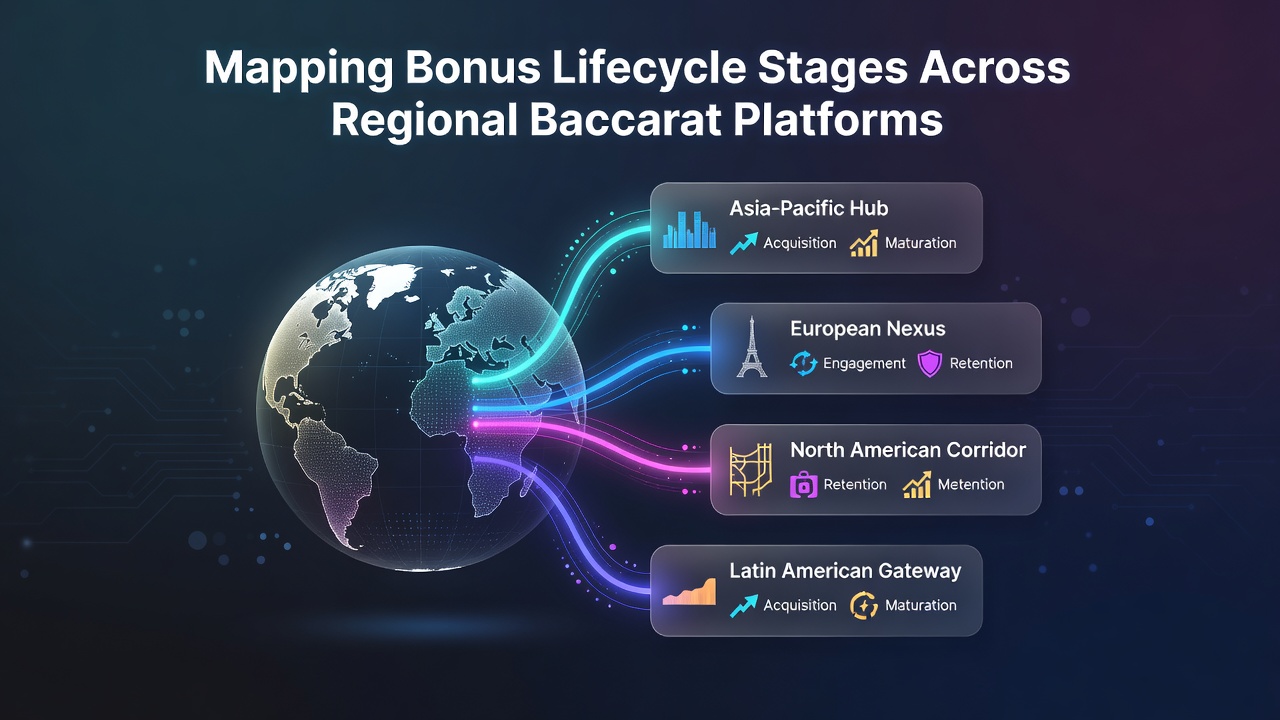
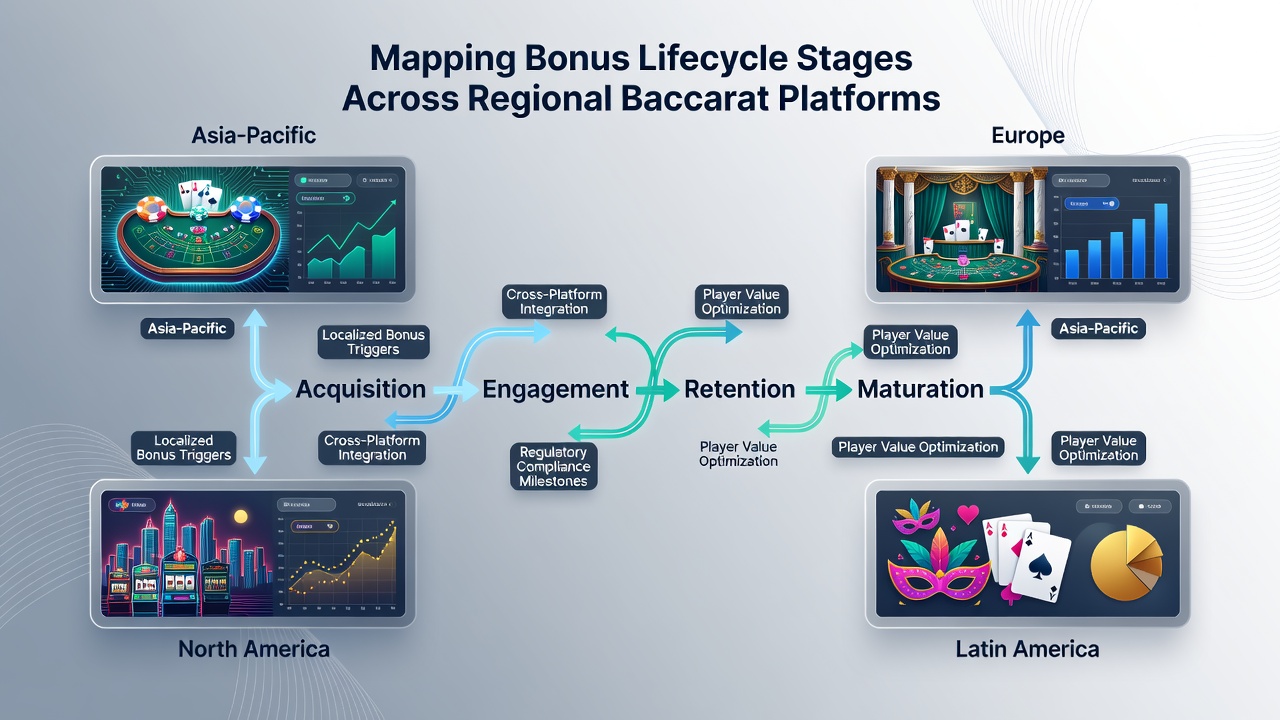
Regional baccarat platforms operate distinct bonus structures that progress through defined lifecycle stages, and observers note clear differences in how operators manage these sequences depending on local regulations and player demographics. Data from multiple markets indicates that the initial acquisition phase often sets the foundation for subsequent retention efforts, while later stages adjust based on regional compliance requirements and platform capabilities.
Acquisition and Onboarding Phases
Platforms in North America typically introduce welcome incentives that tie directly to deposit thresholds and initial wagering activity, whereas Asian markets emphasize high-limit table access as part of the first-stage rewards. Research from the Nevada Gaming Control Board shows that acquisition bonuses in regulated US jurisdictions require documented player verification steps before any funds become available, and similar verification protocols appear in Australian state licensing frameworks. Operators in these regions structure the onboarding window to last between seven and thirty days, during which players must meet specific turnover targets to unlock the full incentive amount.
Activation Through Early Engagement
Once players complete registration, activation stages focus on converting initial deposits into active table play, and platforms adjust contribution rates according to regional rules on game weighting. In European markets, activation bonuses often incorporate cashback elements that trigger after a minimum number of hands, while Southeast Asian operators link activation to multi-table participation metrics. Those who have analyzed player data across platforms report that activation windows shorten in high-volume markets such as Macau, where daily turnover expectations exceed those observed in North American venues by significant margins.
Retention and Mid-Cycle Adjustments
Retention phases extend across weeks or months and rely on reload structures plus targeted promotions that respond to individual play patterns. Platforms in the Philippines, regulated under PAGCOR oversight, frequently introduce time-limited reload offers during peak tourism periods, and data indicates these adjustments increase session length without altering base contribution percentages. In contrast, Canadian provincial operators maintain consistent reload cycles that align with monthly reporting cycles required by gaming authorities. Observers note that retention bonuses in these regions incorporate loss-rebate mechanics at different percentages depending on player tier, and September 2026 figures from industry tracking services showed regional variation in rebate uptake rates between 12 and 28 percent.
Loyalty and Long-Term Reward Mapping
Loyalty stages reward sustained activity through tiered point systems that convert into non-cash benefits or direct credit, and regional platforms calibrate earning rates according to average bet sizes common in each market. North American programs often convert points at fixed ratios that favor table games like baccarat, whereas Asian operators provide access to exclusive gaming salons as the primary loyalty reward. Studies compiled by academic researchers at the University of Nevada, Las Vegas demonstrate that loyalty progression correlates with reduced player churn when platforms communicate tier advancement clearly and provide timely status updates.
Recovery and Churn Prevention Stages
Final lifecycle stages address dormant accounts through reactivation incentives, and operators apply these measures differently across jurisdictions. European platforms frequently deploy personalized cashback campaigns within sixty days of last activity, while Australian operators coordinate recovery offers with responsible gambling tools mandated by state regulators. Evidence from cross-regional comparisons reveals that successful recovery campaigns maintain consistent messaging and limit the number of reactivation attempts to avoid regulatory flags.
Conclusion
Mapping bonus lifecycle stages across regional baccarat platforms reveals consistent progression patterns that adapt to local regulatory environments and player expectations. Acquisition, activation, retention, loyalty, and recovery phases each follow measurable timelines and contribution rules that vary by market, yet the underlying sequence remains comparable. Continued tracking of these stages provides operators and analysts with data points for refining incentive structures without altering core compliance frameworks.